Why Modularity Matters in the Global Transition to Closed-Containment Aquaculture
The transition to new aquaculture technology cannot depend on one massive leap.
For many fish farmers, the question is not whether they want more control. The question is how they can move toward controlled production without creating too much technical, financial or operational risk.
This is why modularity matters.
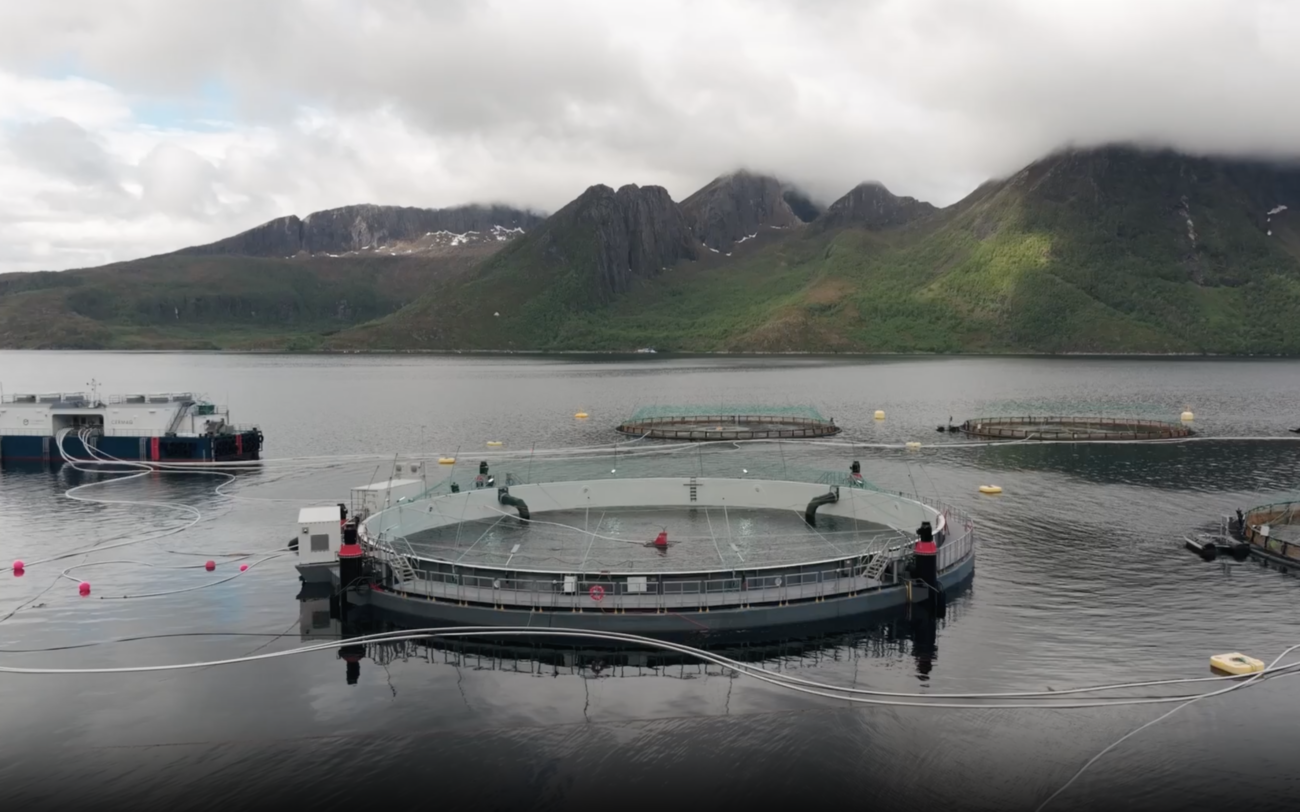
Aquafarm Equipment’s closed-containment systems are designed around a modular approach. This allows producers to build capacity step by step, adapt the system to different production strategies and scale based on documented performance.
In global markets, this is a major advantage.
Every farming region is different. Site conditions vary. Regulations vary. Biological challenges vary. Investment capacity varies. A modular system gives producers more flexibility to match technology with local needs.
Instead of replacing an entire production model overnight, farmers can introduce closed containment as part of a broader strategy.
They can use it for post-smolt, grow-out or specific biological risk phases. They can test performance, build internal competence and expand over time.
This makes modular closed-containment farming a practical path into the future.
The global fish industry needs more control, but it also needs solutions that are realistic to implement.
Aquafarm Equipment provides a scalable platform for that transition.
Start with one or more units. Document the results. Scale with confidence.